Personal AI agents are moving from one-off tasks to ongoing work.
The new personal-agent race is not about a better chat window. It is about who can hold context, act across your tools, wait in the background, and still leave you in control.

PERSONAL
The emerging personal-agent landscape
October 2026
A personal agent is starting to mean something more specific than a chatbot with tools. The serious contenders are trying to hold context between conversations, work while the user is away, use permitted services, and pause for approval when an action has real consequences. That is a different product category from a single browser task, even when both are called “agents.”
The field at a glance
The comparison below uses product positioning and capabilities stated in each vendor's official announcement or product documentation. Access changes quickly in this category, so “available” and “research preview” are deliberately kept separate.

Meta
Muse
Persistent, cross-app personal agent
Dedicated Secure VM, approval gates, and an audit trail
OpenAI
Dots
Always-on agents in the ChatGPT ecosystem
Ongoing goals and connected-app work from a familiar entry point
Gemini Spark
Google-connected personal agent
Tasks, Skills, and Schedules across the Google workspace

Anthropic
Claude Duet
Proactive professional work agent
Morning briefings, connected-app monitoring, and explicit checks
Manus
Manus Agents
Multi-step cloud agent through messaging
Research, data work, files, and deliverables from a chat channel

Perplexity
Comet
Browser-native personal assistant
Web context and action inside the browser, not a persistent agent OS
Three product visions
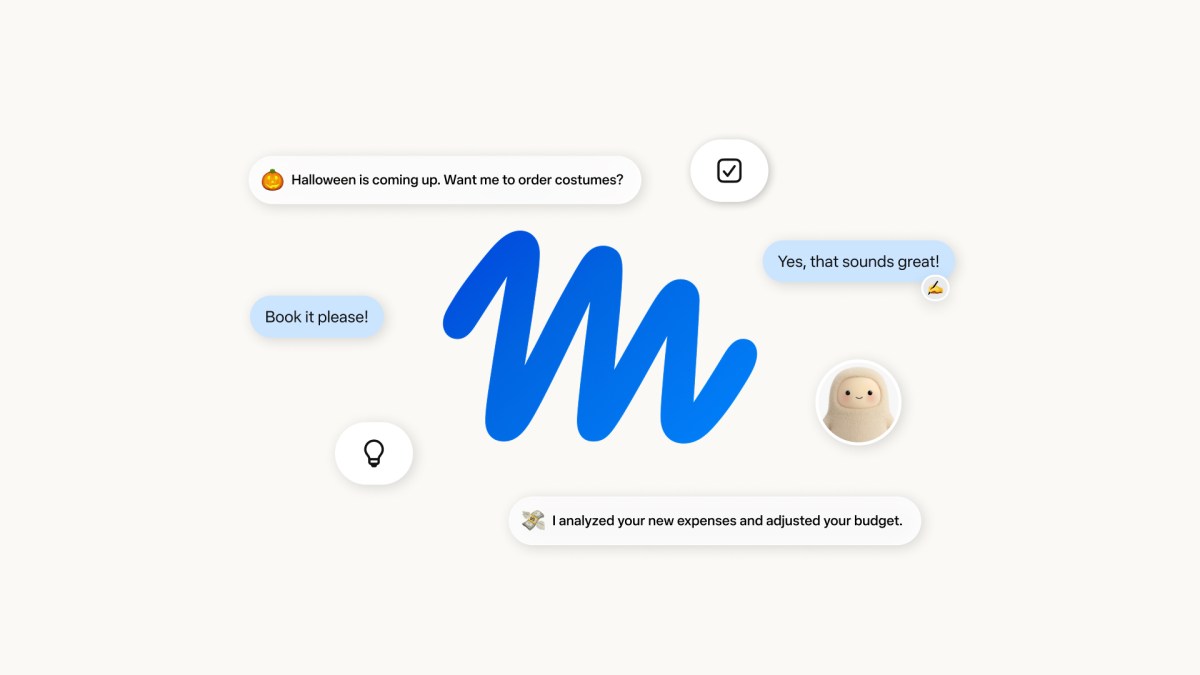
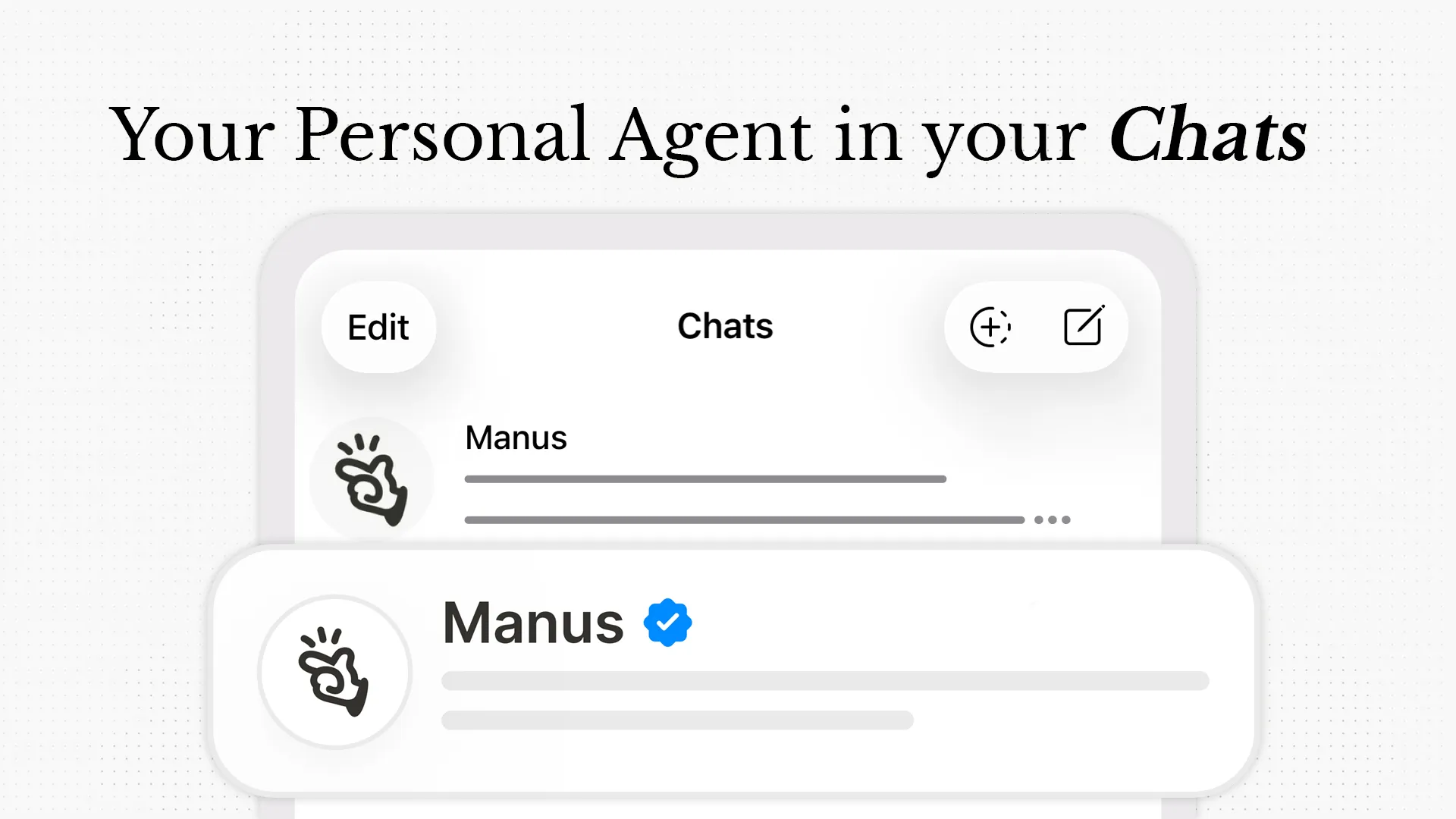
Muse, Claude Duet, and Manus show three distinct ways the category is being framed: a persistent life agent, a considered professional partner, and an execution engine that can live inside a chat thread.
The meaningful divide: ongoing representation
Meta's Muse, OpenAI's Dots, Google's Gemini Spark, and Anthropic's Claude Duet are competing most directly for this definition. Each is presented as something that can remain useful after the original prompt: it can watch permitted context, return with a briefing or update, and ask before it crosses a sensitive boundary.
Their implementation stories are different. Meta describes a dedicatedMuse Secure VMand a separate Sentinel control layer. Google makes its advantage the connected Workspace graph, then exposes Tasks, Skills, and Schedules as user-facing primitives. Anthropic positions Duet around professional judgment, a daily brief, and checking with the user before acting. OpenAI presents Dots as always-on agents inside the ChatGPT ecosystem.
“Always on” is not one capability
The phrase can mean scheduled work, background execution, monitoring connected apps, retained preferences, or proactive suggestions. It is only useful in a comparison when the vendor specifies which of those actions are supported and which require the person to approve them.
The second camp: powerful execution through an existing surface
Manus Agents and Perplexity Comet belong near this market, but their center of gravity is different. Manus takes its multi-step agent into a chat channel: its official launch describes a Telegram connection that can start research, data processing, structured reports, PDFs, and tasks involving voice, images, or files. Its personal quality is accessibility: the agent can be reached where the person already messages.
Comet makes the browser the agent's operating surface. Perplexity presents it as a browser with an assistant able to work from web context and take assigned actions, such as researching options or helping with forms. That makes it a serious personal execution tool, but it should not be casually equated with a long-lived, cross-service personal agent. The browser is its main context and control boundary.
A useful baseline: ChatGPT Agent
ChatGPT Agent is the reference point for the product category before persistence became the main pitch. OpenAI describes it as a system that combines multi-step research, a remote visual browser, terminal tools, files, and connected data sources to carry out a complex request. It can act on behalf of a user, but its familiar interaction model is still an explicit delegation: give it a job, supervise it, then review the result.
The newer personal-agent claims add a relationship over time: goals, schedules, preferences, monitored sources, and initiation by the product. That is the actual competitive leap, and it is also where safety, consent, and reliability become harder.
The comparison that matters
| Product | Primary surface | Persistent proposition | Control model stated publicly |
|---|---|---|---|
| Muse | App, WhatsApp, dedicated cloud VM | Goals, memory, proactive help, background work | Connected-app permissions, Sentinel checks, approvals, audit trail |
| Dots | ChatGPT and connected work surfaces | Always-on work toward ongoing goals | Plan and connected-app controls described by OpenAI |
| Gemini Spark | Gemini plus connected Google apps | Tasks, Skills, Schedules, background work | Connected apps are opt-in; major actions are designed to check first |
| Claude Duet | Claude app and connected services | Briefings, monitoring, and background tasks | Checks with the user before acting on their behalf |
| Manus Agents | Chat, starting with Telegram | Recurring and multi-step tasks through chat | Limited to the private conversation the user connects |
| Comet | Browser | Contextual assistance while browsing | User can observe and step into browser work |
Comparison language is constrained to public vendor descriptions at publication time. It is not a benchmark, security certification, or a claim that the products offer identical access in every region.
The real bottleneck is delegated trust
Better models make it easier to plan and execute a task. They do not settle when software should read an inbox, send a message, spend money, negotiate a booking, or retain a private preference. The vendors' product choices make that clear: isolated cloud computers, permission scopes, approval prompts, wallet protection, audit trails, and opt-in-connected apps are becoming the actual product surface.
That is why the winner may not be the agent that demonstrates the flashiest one-off task. The durable advantage will belong to the product that can earn broader permissions without making the user feel they have handed over their digital life. Ecosystem access helps; a legible control model matters just as much.
What to watch next
- Whether personal-agent products stay as single assistants or become a portfolio of specialized agents with distinct scopes.
- How vendors expose memory: what is remembered, how it is corrected, and how completely it can be deleted.
- Whether an approval prompt is specific enough to be meaningful, rather than a blanket consent screen.
- How reliably agents recover from a changed webpage, a stale permission, a failed payment, or an ambiguous instruction.
- Which products can make cross-app context useful without turning personal data access into an opaque black box.